Pages

Sunday, 30 April 2017

Daybreak


                                                            Daybreak

                                                                                    By – H.W.Longfellow


Poet Introduction : -

Image result for images of poem daybreak         H.W. Longfellow was ( 1807 – 1882 ) basically a nature poet. He was a American poet and educator. He was a traveler , a linguist and a romantic poet. At the sometime he was rooted in America life and history.
 
Poetry Introduction : -

     This poem have eighteen lines and Longfellow has personified the presents the poem and message of awakening to other agents of nature and in human world. Poet describes the atmosphere was very mist, still and heavy air.

Analysis : -

       In the first two lines of the poem the poet says that, wind come and tells mists give it space and go from there because now it is morning. In the next two lines it calls to the mariners and says start their journey on the sea because night is gone. The next two lines says, hurries come on the landward and cry for everyone to walk up because it is the day.

         The next two lines says that wind went to the forest and asked to open the leaves and create the sound. Next two lines says the wind touched folded wing of wood bird and said to open the wings and their singing and fly. Next two lines, it went to the form and requested the clear day is too near.

       In the next two lines the wind went to the fields of corn and whispered to the corn and are to rising. And next two lines wind went to the belfry tower because it can wake up to others and orders to proclaim the bell. The last two lines are different compared then the previous lines because wind crossed the churchyard but it feels the sigh because it cannot pass its message to there.

Conclusion : -

       poet talks about wind, it passes the message to others, “ Awake and keep on working”.

      The rhyming scheme of this poem is AABBCCDDEEFFGGHHII. And figures of speach is Apostrophe.


Light


                                                               Light

                                                                              By – F.W. Bourdillan


Poet Introduction : -

Image result for Images of poem light with image of candle       Francis William Bourdillan was ( 1852 – 1921 ) a British poet and translator. He was educated at Worcester college of Oxford. He acted as tutor of the sons of prince holsteil. He is known mostly for his poetry and in particular the single short poem “ The night has thousand eyes”. He had a many collections published including among the flowers and other poem well known in the field of literature.

Poem Introduction : -

        This poetry is divided into two stanzas, each consisting of four lines as the title poem suggest it fexuses on the theme of light. This poem is short but it is meaningful poem about life. This popularity known a ' The night has thousand eyes' published in October 1873, Bourdillan campers the day with human beings.

Analysis : -

         In the very first stanza the poet uses personification by comparing eyes with stars “ The night has thousand eyes” by this line the poet wants to says that the eyes of the night are the stars and the eyes of day is sun in remaining two line the poet talks about the inevitability of the end to everything by saying that even the powerful sun has to die by the end of the day. A symbolic representation of light vs darkness.

          In the second stanza the night is no longer addressed but the human mind is spoken of and the heart is know personified the lines “ The mind has a thousand eyes, and the heart but one”. The poet shows the fluctuating but in the heart is always advnanr and speaks truth. Heart i represent love and emotion, so will your emotion vanish. In the last two lines the poet talks about the light of the life dying which again is not our hand.

Conclusion : -

             Being a very simple poem. It talks about the mortality associated to everything related to nature. The poet want's to say that there is nothing in the world is permanent.

           Rhyming scheme of the poem is ABAB, and figures of speech is personification.

The character of happy life

Image result for Images of the character of happy life poem by Henry Wotton


                                 The Character of a happy life

                                                                                          By – Henry Wotton


         This is a poem by Henry Wotton focuses on the ingredients reburied in order to lead a happy life divided into six stanzas. This poem makes us aware about now to lead a happy life.


        In the first stanza, the poet says that if a person who is educated does not follow what the others say and his extremely honest o his own self and his lives in the simple truths of life is consider to be happy.


         In the second stanza the poet further explains us that a person who is not driven by passion and is always prepared for death. He how does not worry about to much of fame or privacy is supposed to be happy.


           Moving towards the third stanza the poet fells that a person is happy if he does not envy anybody who has no vice and does not follow any other rule except the rule of good.


         The fourth stanza makes us aware about the characteristic of a happy person. Who is free from all the remorse. Who is morally strong who is not fond of flattery or criticism.


         Fifth stanza talks us that a person who prays to God both early and late who has well chosen 300ks or friend is considered to be happy.

         The last stanza is a combination of all which says that a happy man his free from all the bands fearless of rise or fall, who is a master of himself is the happiest person of all.


          The poet talks about “ He” ( third person singular ) through out the poem but he does not talk about any particular man. The poet described the characteristics of a noble and happy man who is honest simple, not slave of his desier. He follows the rules of goodness which will lead him to the right path. So, we can say that the title is also very appropriate one and it properly leads the theme of the poem. Rhyming scheme of this poem is ABAB.


The Fly


                                                              The Fly

                                                                                By – William Blake

Image result for images of poem fly by William Blake
         This poem is supposed to be William Blake take on the mortality of living being divided into five stanzas. This poem deals with a simple theme of how a humanbeing without ill intention kills a fly and regrets it latter on through this poem. William Blake wants to justify that every living being is equal in the eyes of God.

           Each stanzas is divided into four lines and in the first stanza the puts foreword on argument that the protagonist of poem unintentionally kills the fly with the brush of his hand. It was extremely thoughtless as and action but the poet shows the feeling of regret in the following stanza.

          The second stanza shows the comparison between the fly and the poet himself. There are two questions asked by the poet in this stanza where in the poet calls himself, as good as a fly and regrets the act committed by him.

         In the following stanza the poet gets a touch philosophical by saying that all his enjoyments of drinking, dancing, and singing would come to an end any day as the God's hand would brush away his life in no time and it would be the same act that he committed by killing a fly.

         In the next stanza he talks about the thought process of human beings to how live and die along with the thought that they carry. The thought ends with the end of any body's life.

              In the final stanza the poet ends by saying that he is as good as a fly irrespective of whether he lives or dies Blake through this five stanza wan't as to believed that everybody from the smallest creature to the largest everybody is equal in the eyes of God and that the brush of morality could come on anybody anytime.

Fame and Friendship

Image result for images of friendship

                                           Fame and friendship
                                                                                                By – H.A.Dobson

Poet Introduction : -


              Henry Austin Dobson was ( 1840 – 1927 ) an English poet. His official carer was uneventful but biographer. He was distinguished. Those who study his are struck by it's maturity.


Poetry Introduction : -

        Fame and Friendship divided into two stanzas is a poem which talks about the impotents of friendship over fame and how friendship can be more reliable even after death. Where as fame is something which only stays with the human being for a brief period of time.


Analysis : -


                   In the first stanza the poet criticized fame as the food for dead man it is extremely personal as a concept as know one is around when you are very famous. Fame makes people extremely lonely and they find nobody around to celebrate their achievements along with fame comes loneliness which is very difficult to get over too.


           In the following stanza poet start by saying that friendship as compared to fame is a nobler thing because even after physical death. One can leave in the memories of his friend friends would always remember the best part of each other and make funeral of every fault that he may have.


Conclusion : -

            In comparing friendship can be far more fruitful as against fame. Poet portrays the importance and adventure of friendship. More ways than one and this is what the poet wants us to believe and chose friendship over fame. Rhyming scheme of this poem is ABABCDD.


Virtue


                                                             Virtue

                                                                               By – George Herbert

Poet Introduction : -

Image result for images of poem virtue by George Herbert          George Herbert ( 1593 – 1633 ) was English poet, orator, and American priest. He is fifth son of an eminent welsh family. His mother was Magdalen. He is bing born in to an artistic and wealthy. The poetry foundation Nestleb some where within the age of Shakespeare and age of Milton is George Herbert.

Poetry Introduction : -

          This poem is deviated into four stanzas, talking about virtue as what will live forever even. After the destruction of the world.

Analysis : -
        In the first stanza poet talks about a perfect day which is supposed to be ideal but as per the cycle of the nature it has to end at one point in time anything that beings in the world has to necessary end because anything is this material world is mortal by it's very nature.

         The second stanza deals with a sweet rose which is in full bloom but it's real beauty lies within in the roots of the plant and it's external beauty has to die one day as it's beauty is not at all permanent in this mortal world.

         Though third stanza poet talk about the spring seasons which is known as king of all seasons and the nature around is at it's best during this particular season everything in the lap of nature seems to be picture perfect but it has to unfortunately end with the upcoming seasons . What ever that is in the purview of nature is immortal in it self.

          The last stanza is terms of it's approach unlike the earlier stanza this stanza talks about what will live instead of what dies. In this stanza the poet talks about the virtues soul which would live even after every thing in his world has turned into ashes.

Conclusion : -

        Courtesy this poem the poet want to send a massage that a humanbeing would always be remembered by his or her deeds end the good deeds will turn into. Virtue which would be immortal. Rhyming scheme of this poem is ABABAB.

She walks in beauty


                                                    She walks in beauty

                                                                                                    By – Lord Byron
Poet Introduction : -
Image result for images of poem she walks in beauty            George Gordon Byron ( 1788 – 1824 ) . He is usually referred to as Lord Byron was a prominent British writer most famous for the influence of his poetry on the Romantic movement. He was to be one of the most illustrious poets of British literary . Even though his writing style was Lucite classical. His works are not short poem but also his two narrative poems.

Analysis : -

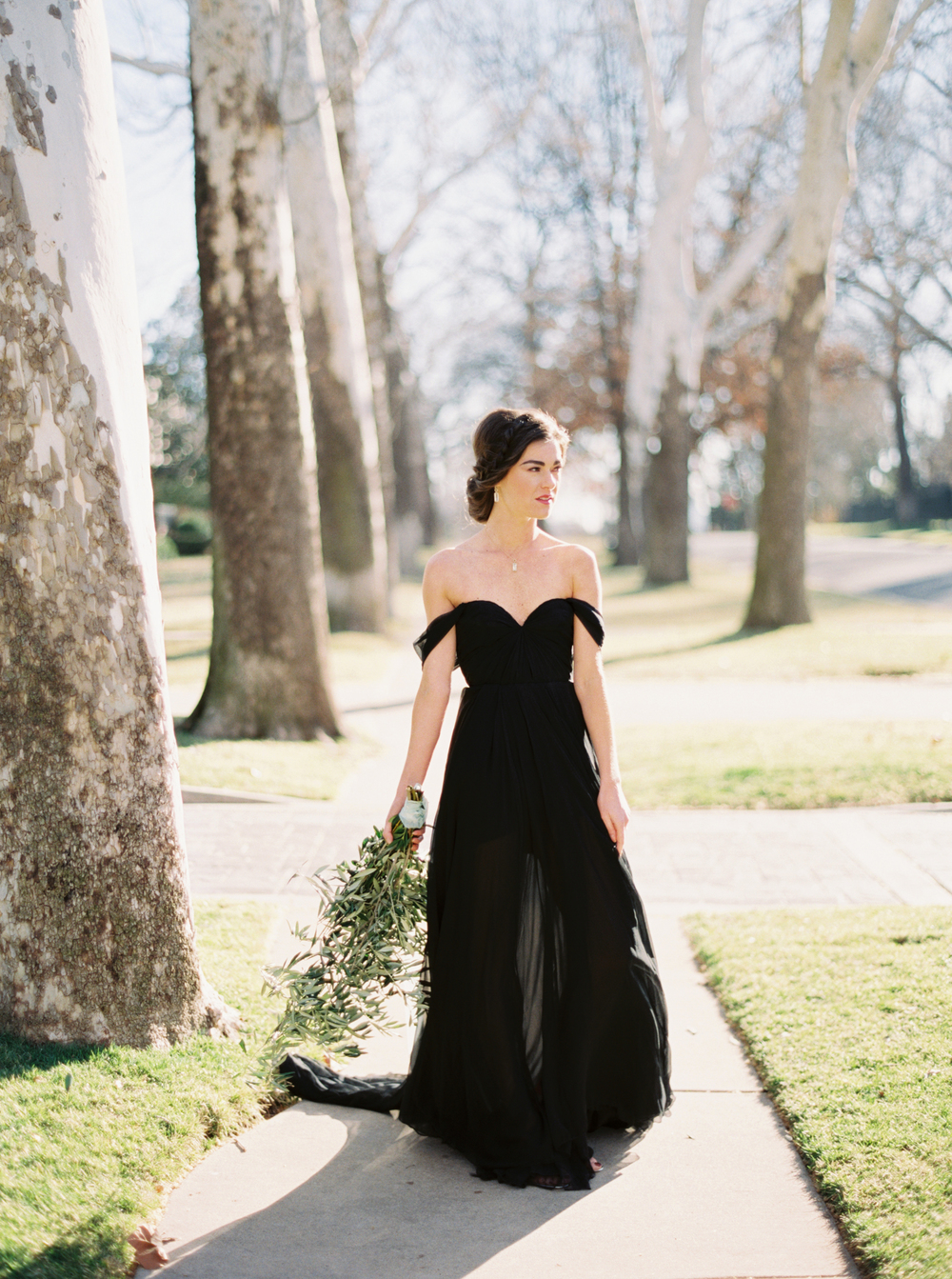
              She walks in beauty is a testimony to the beauty of his love.Her beauty is as pure and as clear as the cloudless sky. And the stars add to the glittering beauty. Her beauty has a sans of tenderness. Which is extremely heavenly. She is rare combination of darkness and brightness which are visible in term's of the meeting of the emotions in her eyes.

                 She is projected as somebody who is almost perfect and the grace .That she carries is absolutely unmatchable. She is physically very beautiful because of her personality from within. The physical description starts with her tresses. Which add to her beautiful face. Moving to her face it is supposed to be extremely transparent where in all the thought can be expressed has they are. The purity of her face multiplies because of her eloquent cheeks and brow.

          Her face is a “ dwelling place” for the calmness and maturity. Her smile is so effortless that her face. Start to blush as and when she smiles because of her internal goodness. She looks beautiful from the outside and also shows that her mind is at piece with the happiness around and her hart which is full of innocent reflect in the way in which she has lead her life full of b lease.

         This poetry project Byron's love for his beloved and it a way expressive what he feel for her day in an day out.

Conclusion: -

          To sum up the poem is well organized because it has a clear pattern and these things help on the correct understanding of it. The main topic is latent into the three stanzas through the expression of the ideas and the meaning of the symbols and themas that appear in it. The fact that we cannot find a big amount of the devices is explained because the poem is simple instructed and language it has a logical order and it is not necessary to confuse it. In this poem ABABAB rhyming scheme is use. Simily figures of speach used well.